
Breaking: The Industrialization of Rental Fraud - 2026 Analysis
Executive Summary
Rental application fraud has evolved from isolated incidents into a sophisticated, industrialized threat, with 93.3% of rental operators reporting fraud in the past year. As AI-generated documents and synthetic identities become cheaper and more accessible, traditional manual screening methods are failing to keep pace with the rising tide of bad debt.
The Rise of Industrialized Rental Fraud
The landscape of property management has shifted dramatically in 2026, as criminal syndicates leverage advanced technology to bypass standard security protocols. According to the National Multifamily Housing Council (NMHC), rental application fraud has surged, with operators reporting that the problem has worsened significantly over the last two years.
AI-Driven Document Falsification: Criminals are now using specialized software to create hyper-realistic pay stubs and bank statements that pass visual inspections with ease. Source: Multi-Housing News.
Social Media Fraud Kits: Apartment approval scams are now being sold on social media platforms for as little as $300 to $1,000, providing bad actors with complete packages of forged documents and shell employer contacts. Source: Docuverus.

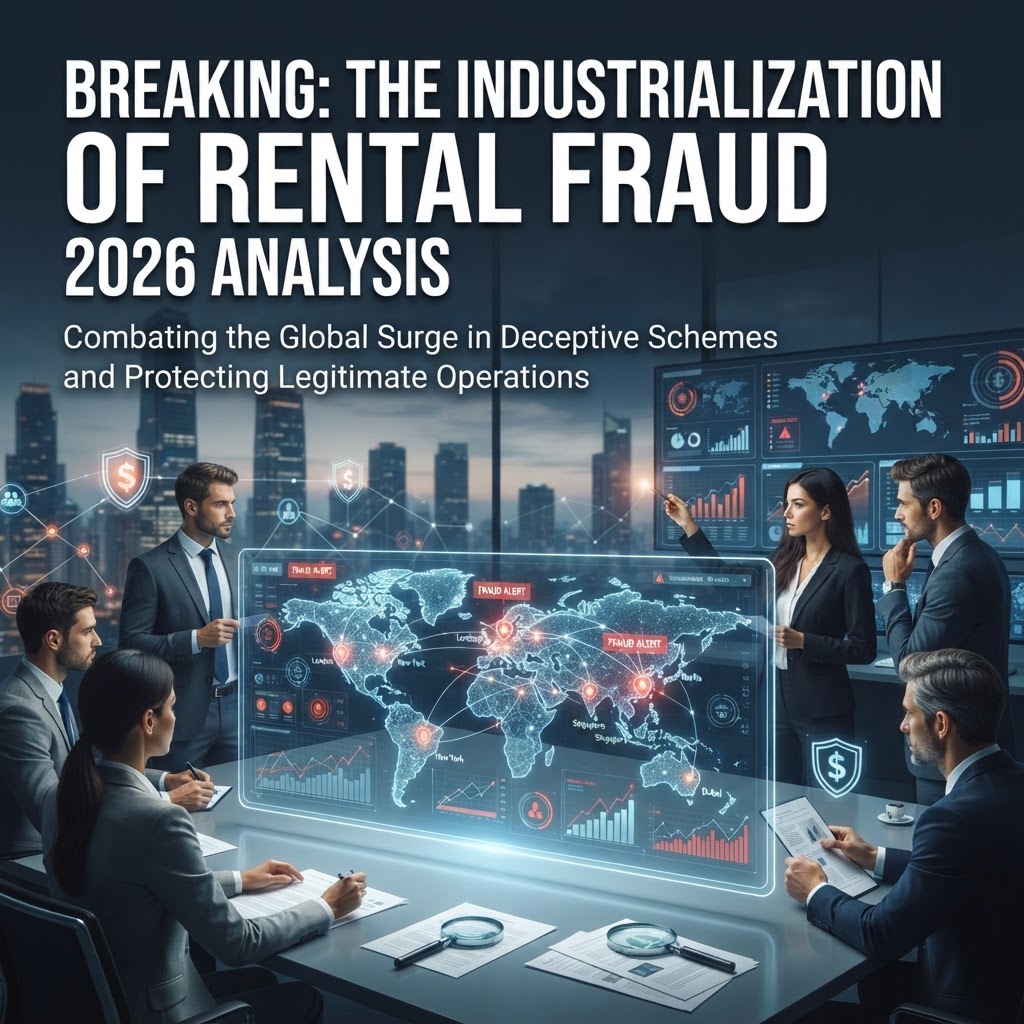
This image represents the digital nature of modern rental fraud, where sophisticated software allows bad actors to manipulate financial data, making it nearly impossible for leasing teams to distinguish between legitimate and fraudulent applications through manual review alone.
Why Traditional Screening Fails
Historically, landlords relied on credit checks and manual document reviews, but these methods are no longer sufficient in the face of synthetic identities and forged metadata.
The Identity Gap: Standard credit pulls confirm a score belongs to a file, but they do not verify that the human presenting the information is the actual owner of that identity. Source: Docuverus.
The Failure of Visual Inspection: Fraudulent documents are specifically designed to pass visual checks, often showing consistent but entirely fabricated financial histories that appear credible across multiple data points. Source: InformData.
The Financial Impact on Property Owners
The economic consequences of this trend are staggering, with average bad-debt write-offs climbing to $4.2 million per respondent in recent industry surveys. While some markets have seen a slight decline in fraud rates due to the adoption of better technology, the overall threat remains at record highs.
Market Disparities: While the national average fraud rate sits around 5.1%, specific markets like Memphis, Atlanta, and Houston continue to see fraud rates significantly higher than the national average. Source: Multi-Housing News.
The Cost of Inaction: With fraud detection rates dropping from 90% to 75% post-pandemic, landlords are losing millions in potential revenue and eviction-related costs. Source: RL Property Management.

As shown above, the integration of AI-powered verification platforms is becoming the new standard for high-stakes rental decisions, allowing managers to decode fragmented information and verify identities in real-time.
Implementing Advanced Verification Strategies
To combat these threats, property managers must move beyond commoditized credit checks and embrace multi-layered verification processes.
Highlighted Point: Authenticate the metadata of documents rather than just reviewing the visual content, as real documents carry digital footprints that forged ones lack. Source: Docuverus.
By centralizing identity, income, and background verification into a single platform, landlords can create a more complete picture of an applicant, effectively closing the gap between fraud attempts and successful detection.
Key Takeaways
- Rental fraud is now an industrialized, AI-powered business model that requires advanced technological defenses.
- Traditional manual screening and visual document checks are no longer effective against modern forgery techniques.
- Property managers must adopt AI-driven verification platforms to protect against rising bad debt and synthetic identity theft.
- Proactive investment in fraud prevention technology is essential to maintaining profitability in the 2026 rental market.
Tags
Published by
Blacklist Global