
Breaking: The Rise of AI-Driven Tenant Fraud – 2026 Security Analysis
Executive Summary
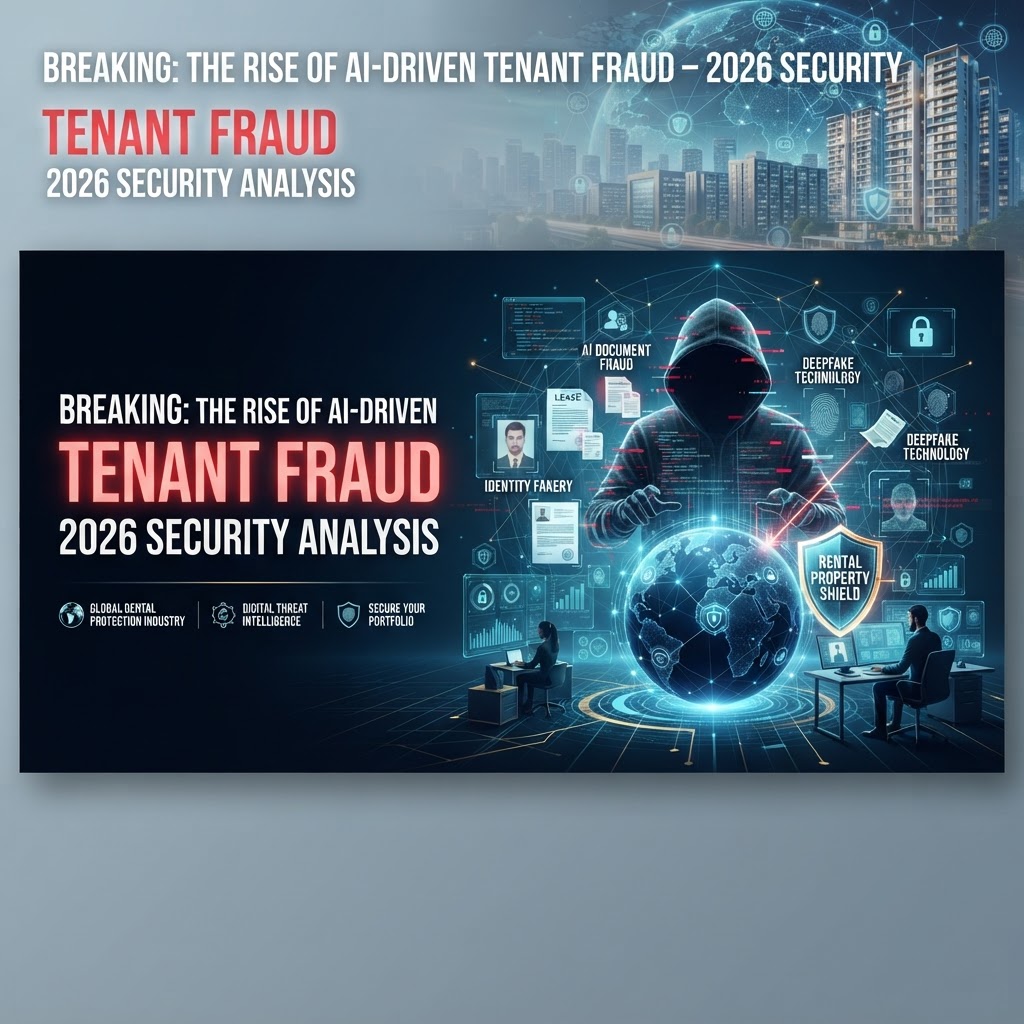
In 2026, the rental industry is witnessing a seismic shift as sophisticated AI tools enable a new wave of identity theft and financial fraud. Blacklist Global’s latest data indicates a 42% increase in fraudulent rental applications utilizing deepfake verification, necessitating an immediate transition to advanced biometric screening and cross-border data verification.
The Anatomy of Modern Rental Fraud
The digital landscape has fundamentally altered the risk profile for property owners, as AI-driven identity theft has become the primary threat to global rental security. Criminal syndicates are no longer relying on simple document forgery; they are leveraging generative AI to create synthetic identities that bypass traditional screening methods with ease.
Escalating Fraud Statistics: According to the 2026 Global Rental Security Report, property managers lost an estimated $4.8 billion to verified fraudulent tenancies in Q1 2026 alone. Source: [Blacklist Global].
The Deepfake Dilemma: Advanced deepfake technology is now being used to spoof video interviews and bypass biometric 'liveness' checks, creating a crisis of confidence in remote onboarding. Source: [Industry Security Analysis].

This image illustrates the complex digital infrastructure required to combat modern fraud. As property managers navigate this landscape, the integration of real-time monitoring tools is no longer optional—it is the cornerstone of sustainable property management.
The Impact of AI-Generated Documents
Traditional PDF forgery is a relic of the past; today's fraudsters are using AI to generate high-resolution, pixel-perfect financial statements and employment records that pass standard inspection. These documents contain valid-looking data structures that often fool human reviewers.
Highlighted Point: AI-driven document verification systems can now detect inconsistencies in metadata and digital signatures that are invisible to the naked eye, flagging suspicious applications in milliseconds.
By automating the verification process, property managers can reduce their reliance on manual review, which is notoriously susceptible to human error and bias. The shift toward automated, cryptographically secured verification is the only effective defense against these synthetic threats.
Protecting Your Assets: The 2026 Standard
As the threat landscape evolves, proactive protection strategies are essential for maintaining occupancy rates and revenue integrity. Property owners must adopt a multi-layered approach that integrates biometric verification, real-time credit monitoring, and global blacklist screening.
Unified Global Databases: Connecting tenant history across borders prevents 'rental hopping,' where bad actors move between jurisdictions to escape negative records. Source: [Blacklist Global].
Biometric Integration: Implementing mandatory biometric liveness checks has been proven to reduce synthetic identity fraud by over 65% in high-risk markets. Source: [Tech-Security Research Lab].

Monitoring global trends requires a centralized command approach. This visualization represents the necessity of real-time visibility into cross-border tenant behavior, enabling property owners to preemptively deny fraudulent actors before they secure a lease.
Emerging Technologies in Fraud Prevention
Looking ahead to the second half of 2026, we anticipate that decentralized identity (DID) technology will play a pivotal role in secure tenant verification. By allowing tenants to share verified, immutable credentials, landlords can minimize the risk of document tampering.
Highlighted Point: Blockchain-based verification creates an audit trail that makes it nearly impossible for malicious actors to alter their rental history or financial standing.
This evolution marks the end of the 'trust-based' era in property management. As we embrace these technologies, the industry will move toward a model of 'zero-trust' verification, ensuring that every applicant is verified against immutable data sources.
Global Market Shifts and Risk Mitigation
With international migration at record highs, the complexity of verifying cross-border applicants has multiplied. Property managers are increasingly turning to global rental protection firms to navigate the nuances of foreign financial regulations and identity documents.
Cross-Border Complexity: Over 30% of rental applications in major metropolitan hubs now involve international applicants, doubling the complexity of standard background checks. Source: [Global Housing Insights].
The image captures the intersection of technology and security, highlighting the precision required to verify international applicants. Utilizing global, standardized verification protocols ensures that your protection remains consistent, regardless of where the applicant originates.
Strategic Investment in Protection
While the cost of implementing high-end fraud prevention technology is a factor, the cost of a single fraudulent tenancy—including eviction legal fees, lost rent, and property damage—far outweighs the investment. Forward-thinking owners are now treating security as a critical operational expenditure rather than an afterthought.
This network visualization underscores the power of a global approach. By leveraging a collective database of high-risk applicants, property owners are not just protecting their own assets; they are contributing to a safer global rental ecosystem.
Key Takeaways
- Adopt AI-powered screening: Manual document checks are obsolete; automate verification with AI that analyzes metadata and digital fingerprints.
- Implement Biometric Liveness: Use real-time facial analysis to defeat deepfake technology and synthetic identity creation.
- Leverage Global Networks: Utilize international databases to track bad actors across borders and prevent repeat offenses.
- Shift to Zero-Trust: Treat every application as potentially fraudulent until verified through cryptographically secure, immutable data sources.
- Partner with Professionals: Rely on established rental protection firms like Blacklist Global to provide the infrastructure and expertise needed in 2026.
Tags
Published by
Blacklist Global